FIELDHOUSE | FOOD & WELLNESS
Sponsored feature • Hummii
Eating Less Is Only Half the GLP-1 Story. What Happens to Your Fiber?
Protein gets the attention. But prebiotic fiber deserves a place in the conversation, and Hummii is putting it somewhere unexpected: chocolate.
The appetite shift
The appetite changes.
The portions get smaller.
And suddenly, finishing the meal you used to order without thinking feels like a challenge.
For someone taking a GLP-1 medication, that can be a significant adjustment. But it also raises a question that gets lost in the conversation about eating less:
What happens to the nutrients you were already struggling to get enough of?
A smaller appetite doesn’t automatically create a more balanced diet. In fact, nutritional guidance for people using GLP-1 medications emphasizes making the food they do eat count. Protein matters. So do hydration, vitamins, minerals, and fiber.
That last one deserves a closer look.
01 / The smaller plate
The overlooked part of a smaller plate
Think about a day built around a few bites of breakfast, a protein shake, and half a dinner.
There may be protein in that routine. But where are the beans, whole grains, fruit, and vegetables?
When those foods become less frequent, fiber can be easy to miss.
That matters because constipation is a common concern during GLP-1 treatment. Clinical guidance encourages adequate fluids and fiber, with gradual increases and adjustments based on individual symptoms. Fiber is one part of the picture, rather than a guaranteed fix.
So the useful question becomes:
How do you make room for fiber in a routine where you have less room for food?

02 / A different role
Why prebiotic fiber is different
Prebiotic fiber has a specific role: feeding beneficial microorganisms in your gut.
Think of it as nourishment for part of the community living inside your digestive system. Certain fibers qualify as prebiotics because those microorganisms use them in ways that provide a health benefit.
Not every fiber is a prebiotic, and benefits depend on the particular ingredient and amount. But the distinction explains why “prebiotic” means more than another number on a nutrition label.
This doesn’t make prebiotic fiber a weight-loss shortcut. It makes it a useful consideration when building a more thoughtful eating routine.
03 / The chocolate drawer
An unexpected place to find it
The chocolate drawer
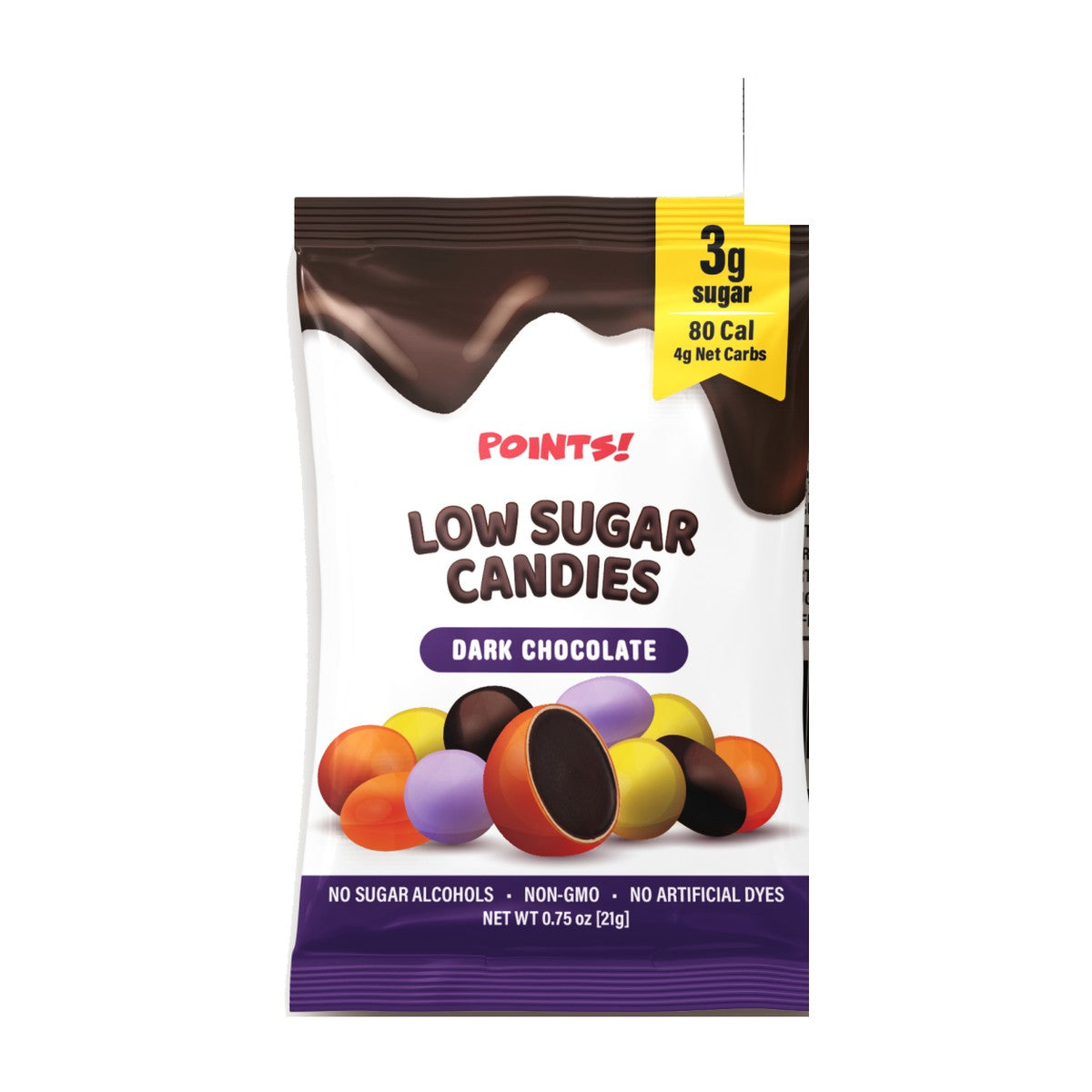
Hummii’s POINTS! Dark Chocolate Candies take that idea in a familiar direction.
According to Hummii, each pack contains:
- 8 gramsof prebiotic fiber
- 3 gramsof sugar
- 80calories
The product brings fiber into a food people might already want to eat, instead of requiring another drink to mix or another elaborate snack to prepare.
That is the appeal: a chocolate option with a different nutritional profile, in a format that fits an ordinary afternoon.
Something to keep at your desk. Something to pack for later. Something to consider when you want chocolate and are paying closer attention to sugar and fiber.
04 / The everyday picture
A useful addition starts with realistic expectations
POINTS! is still a snack. It belongs alongside varied meals, adequate protein, and hydration.
And more fiber all at once isn’t always better. Increasing it too quickly can worsen digestive discomfort. During nausea or medication dose changes, some people may temporarily tolerate lower-fiber foods better. Let your symptoms and your clinician’s guidance determine the pace.
There is no single “secret” food that makes a GLP-1 diet work.
But there is an overlooked question worth asking:
The question worth asking
When you’re eating less, what are you making room for?
For people who want a chocolate treat that also contributes fiber, Hummii offers one practical answer.
Explore Hummii POINTS! Dark Chocolate ↗About this sponsored feature & sources
Sponsored feature • Hummii. Product information: Hummii POINTS! Dark Chocolate. Nutrition context: 2025 joint advisory on nutritional priorities during GLP-1 therapy. Food photography via Unsplash.